
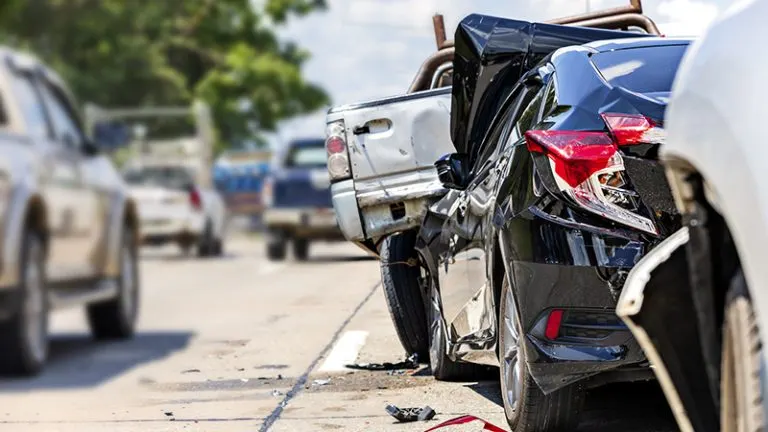
Slamming on the brakes in any circumstances can end very badly. It can cause the accordion effect, a phenomenon that describes spectacular (and dangerous) pile-ups.
What do we know about the effects that occur on the road? Quite a lot, in fact, since they are increasingly well categorised, described and explained, especially by the Directorate-General for Traffic (DGT), which is always keen to provide the best possible education on Road Safety.
Here we have covered some of them, such as the tunnel effect, which is highly dangerous as it narrows our panoramic view while driving, or the elephant effect. Not that it's all bad… the corridor effect, as we explained in a previous article, is necessary to save lives.
The phenomenon we are going to look at today can lead to an accident involving multiple vehicles, with all the consequences this entails in terms of personal injury and material damage. Before explaining what it is… let's look at some footage: in this case, filmed by the DGT itself.
Is the danger of the accordion effect clear now?
Safe distance must be a mantra

Some may think this is an exaggeration, but if we all kept a safe distance, we would avoid a great deal of harm. A sudden traffic jam, another car abruptly joining from the acceleration lane, the rubbernecking effect itself (which we have not covered here yet, but its turn will come!) are situations that can catch us in one of two ways:
- Driving calmly, keeping our distance from the vehicle in front and, therefore, with enough margin to brake.
- Driving at an inappropriate speed and stressed, or distracted... in which case we will hardly be able to prepare for sudden braking.
Indeed, it is about seeing it coming. And about paying close attention to what is happening ahead, since the reaction of the vehicle behind will depend on our driving, whether responsible or reckless. If we crash into the one in front, running into the back of it, the one following us may crash into us, and so on.