
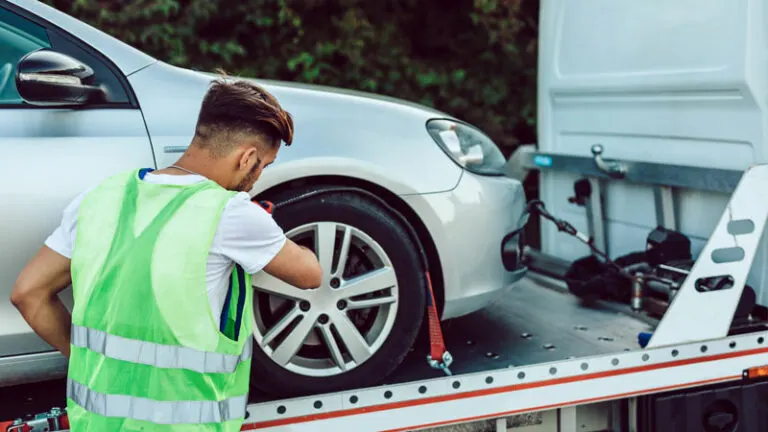
The shortage of roadside assistance operators is a problem on top of the widespread crisis the sector is going through. Is it possible to start looking for drivers in their countries of origin?
It seems so. But first let us start with the context, since this spring we published this article following the existing shortage of drivers (between 7,000 and 8,000, according to various sources) in Spain. This is something that various bodies have been warning about, as we mentioned. The summer season has only highlighted the shortage of drivers, and since July organisations such as the National Roadside Assistance Alliance have been warning: the sector's workforce is ageing, and there do not seem to be young people willing to replace it.
The need for drivers means a heavier workload for those who provide these services, as the Alliance itself denounced here. Recruitment of drivers in the second half of 2022 had already fallen by 27% compared with the previous year (we reported on this at the time). Rural areas are particularly suffering from this situation: this very summer, 19% of services more than 60 kilometres from assistance companies' operating bases were not carried out.
Are drivers being sought abroad?
 There is authorisation from the Ministry of Labour. In August this year, El País published a news story that directly affects recruitment in the sector. Since there do not seem to be enough candidates in our country, it will be necessary to look abroad; that is what the Government has decided, in response to companies' demands. The Official State Gazette (BOE) publishes a catalogue of hard-to-fill occupations that authorises recruitment in the worker's country of origin.
This catalogue, for the third quarter of 2023, includes truck-mounted crane driver-operators, fixed crane driver-operators and mobile crane driver-operators.
At REAC we have always been committed to training from the outset. It is an important factor in addressing this issue, since we are talking about professional profiles that require specific qualifications, given that occupational risk prevention is paramount, especially when we are talking about handling heavy vehicles and machinery that must be operated correctly to carry out services safely.