
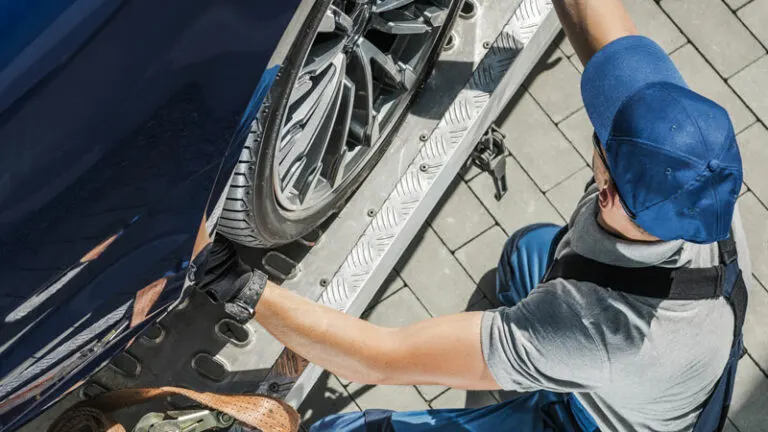
Both rising labour costs and the shortage of qualified drivers make it difficult to cover the 24-hour/365-day shifts that assistance work requires.
The provision of roadside assistance tow-truck services in Spain is at risk. So says the National Roadside Assistance Alliance, with data to back it up, which this week issued the following warning: the hiring of drivers in the second half of 2022 fell by 27 % compared with the previous six months. This includes the summer season, a period of intensive work in this sector, owing to the increase in journeys.
The fall in hiring is due, on the one hand, to the fact that fewer and fewer drivers qualified for these roadside assistance tasks can be found. On the other, high labour costs which, according to the Alliance, will rise in 2023, prevent companies from fully staffing their teams in order to cover road incidents 24/365.
"It is increasingly difficult for us to offer job stability to tow-truck drivers, and this greatly undermines our companies' competitiveness. The economic conditions are destroying a sector in a very short time," complained the Alliance's spokesperson, Xavier Martí. Martí calls for urgent "dialogue with insurers, motoring clubs and travel assistance platforms, which must make an effort to prevent the deterioration of roadside assistance services".
The tow-truck crisis has been going on for more than a year
The drastic crisis the sector is suffering stems from the rates set by insurers, motoring clubs and assistance platforms, far below the costs of maintaining the services and the operating conditions for running three work shifts. In this respect, roadside assistance companies speak of the difficulty of raising wages, the hardness of the tow-truck driver's job, and the difficulties of balancing work and family life.
This situation means there is little demand for the job itself, which is putting at risk the provision of services by the sector, which has been denouncing this situation for more than a year. This resulted in the recent protests in the last months of the year.
Assistance companies estimate that their rates are 40 % below what is needed to keep their businesses viable. Insurers, by contrast, are making ever greater profits in their income statements, which represents a real chasm when it comes to striking a balance that would make the assistance sector viable as a business.
The National Roadside Assistance Alliance is made up of the following regional and national associations and business organisations: ABEAC (Balearic Islands), ABEAC (Basque Country), ASCA (Catalonia), AMEAC (Madrid), ASCALEAC, (Castile and León), ASEDA (Andalusia), ASEGA (Galicia), AGRUAXA (Salamanca), ASEXTEAC (Extremadura), GRUPO CARTER (National), CEPAS (National), FEGRUAL (National Federation) AGREGA-GRÚAS and REAC (National Group).