
The priority objective of this second round of talks, which starts on the 22nd at Fireca (Seville), is for these companies to comply with the pricing law so as to cover tow-truck companies' costs.
As it recently announced, the National Roadside Assistance Alliance is now resuming dialogue in September with insurers, motoring clubs and travel assistance platforms. According to the organisation, it is urgent to respond to the sector's demands: to bring assistance contracts into line with current law, so that at the very least they cover the cost and expenses involved in maintaining a 24h/365-day service.
An essential but poorly recognised service, whose viability is at risk. Xavier Martí, the Alliance's spokesperson, has once again called "on insurers and intermediaries to act responsibly and comply strictly with current law, to avoid an escalation of conflict in the sector".
Royal Decree-Law 3/22, passed by the Government in March, requires transport prices to be increased as a result of the rise in fuel prices. Neither insurers, nor motoring clubs, nor travel assistance platforms have generally applied this rule. For the sector, this has meant a loss of monthly turnover of between 3.8 % and 12.7 % since last March, depending on the type of vehicles used in roadside assistance operations. Losses already run into millions, the Alliance warns.
Meeting at Fireca (Seville) on 22 September
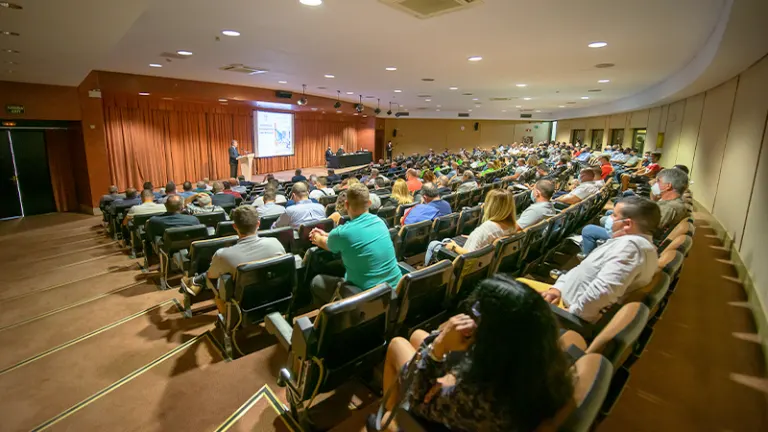
On 22 September in Seville, as part of the 4th edition of FIRECA, the International Rescue, Assistance and Emergencies Fair, the Alliance and its member organisations have also called a sector assembly under the slogan "ON THE 22ND THE TOW TRUCKS DECIDE". The idea is to take decisions for the autumn; decisions that could include the total or partial suspension of assistance and travel assistance services in Spain.
The problems this sector is suffering are the direct responsibility of insurers and intermediaries, which have not yet generally revised their rate tables in line with fuel price increases. This jeopardises the normal provision of the activity.
It is about complying with the law, says the Alliance
Compliance with the law by the providers of roadside assistance services is the priority of the National Roadside Assistance Alliance, in order to prevent the progressive deterioration of the service in Spain. The impossibility of hiring operators to cover 24/365 services and the relentless rise in costs are jeopardising the viability of the sector.
It is estimated that 19 % of these services were not carried out this summer, especially those requested more than 60 kilometres from assistance companies' operating bases; basically due to the shortage of tow-truck drivers and the high costs of making them available for journeys of this kind. This has meant that more than 120,000 assistance jobs have gone unattended so far this summer, according to sector sources.
The National Roadside Assistance Alliance is made up of the following regional and national associations and business organisations: ABEAC (Balearic Islands), ABEAC (Basque Country), ASCA (Catalonia), AMEAC (Madrid), ANESAV (National), ASCALEAC, (Castile and León), ASEDA (Andalusia), ASEGA (Galicia), AGRUAXA (Salamanca), ASEXTEAC (Extremadura), GRUPO CARTER (National), CEPAS (National), FEGRUAL (National Federation) AGREGA-GRÚAS and REAC (National Group).