
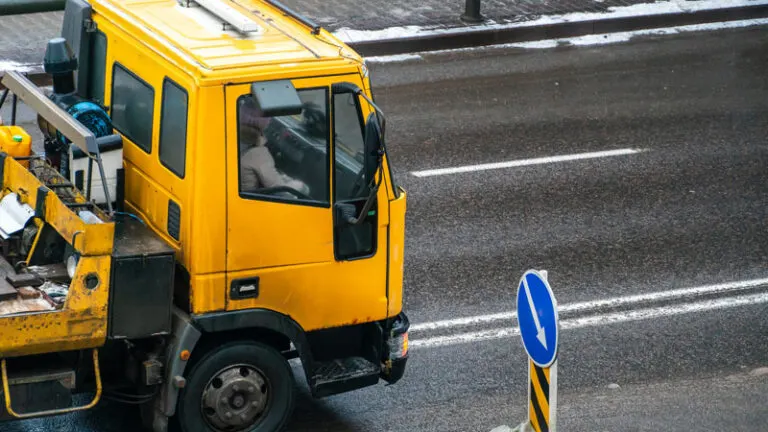
Tow trucks are taking to the streets to denounce the situation of a sector stifled by service rates that are out of step with the cost of living and, in particular, of fuel.
Madrid, Bilbao, Santiago de Compostela, Barcelona, Santander and Seville are the cities that, so far, have seen convoys of tow trucks parade along their main avenues and roads, expressing discontent at the situation in which the sector finds itself. The National Roadside Assistance Alliance, the driving force behind these protests, has been stating publicly for months that the numbers simply do not add up for assistance companies.
The situation has become extreme. After weeks of negotiation, insurers, assistance platforms and motoring clubs continue to refuse to put an end to what tow-truck companies consider abuses in contracts and the imposition of rates that do not cover the costs of the services, let alone 24/365 assistance. Insurers' profits, meanwhile, have swollen: 2,662 million euros in the first half of the year, according to the Alliance, and reported by various media outlets.
Despite this scenario, assistance companies continue to call on insurers to sit down and discuss the serious situation in the market. Assistance companies' rates are 40 % below what is needed to keep their businesses viable, while insurers are making ever greater profits in their income statements. "63 % of the companies in the sector are already making losses," stated Xavier Martí, the Alliance's spokesperson.
Why are they protesting with slow marches?
In collaboration with other regional associations, the Alliance has been filling the streets with tow trucks which, with the customary horn-blowing and the flags of their respective regions, advance along the tarmac with the aim of making this conflict visible on the streets. In all these actions, a statement has been read out at the end of the march.
It referred to the time the tow-truck sector has spent trying to reach an understanding with the other side; four months of meetings with companies that continue to break the law, by not applying the rates indexed to fuel price increases, for example. Roadside assistance companies are being completely stifled, hence the protests.
The National Roadside Assistance Alliance is made up of the following regional and national associations and business organisations: ABEAC (Balearic Islands), ABEAC (Basque Country), ASCA (Catalonia), AMEAC (Madrid), ASCALEAC, (Castile and León), ASEDA (Andalusia), ASEGA (Galicia), AGRUAXA (Salamanca), ASEXTEAC (Extremadura), GRUPO CARTER (National), CEPAS (National), FEGRUAL (National Federation) AGREGA-GRÚAS and REAC (National Group).