
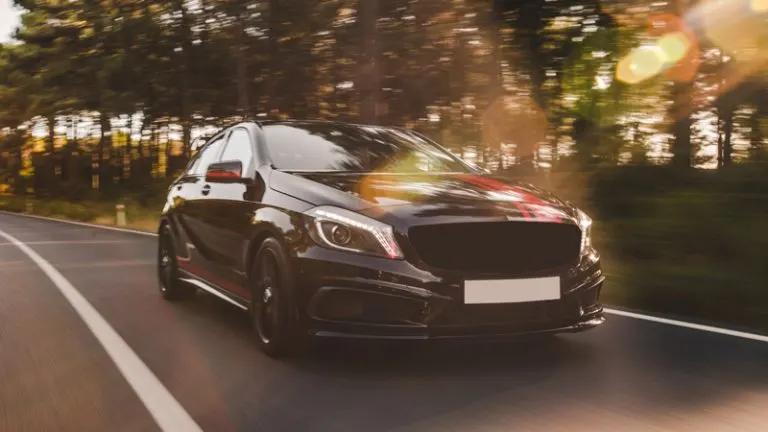
We associate dark windows with a certain exclusivity, although car tuning has made them relatively common. But what do we really know about tinted windows?
One of the first things we should know is that in Spain tinting the front windows is prohibited, both the driver’s and front passenger’s windows and the windscreen (with exceptions for official and security forces’ vehicles, people under threat, or on medical prescription). It is also important to point out that, since the 2010 change in the law, the ITV does not have to approve the installation through an extraordinary inspection, nor is any documentation required to accompany the vehicle’s technical data sheet, or an approval certificate from the manufacturer completed by the workshop.
The word “film” brings us to the next point. Because, contrary to popular belief, these are films that darken the original glass. In this respect, there are three types of windows for vehicles:
- Tinted windows are the original ones, those fitted to cars in the factory, and which are therefore approved by the manufacturers. Their colour may be more or less intense.
- Laminated or pre-cut windows are tinted films sold with the corresponding approval to be fitted to the original glass, according to each make and model of vehicle.
- Removable windows can be put on and taken off, and are designed for a specific vehicle. They do, however, prevent the car windows from being lowered.
Advantages of darkening windows

It is very common to see the official vehicles of certain authorities with darkened windows for security reasons. But for ordinary citizens, too, the advantages of fitting film to windows are related to safety, as well as to the privacy they provide. The film prevents the glass from flying out in small pieces that can become genuine, very harmful projectiles.
They are able to filter out a high percentage of UVA rays (90–99% is quoted, according to some sources), as well as sunlight, which will make the interior cooler and more pleasant in general, especially for little ones. Reducing glare and eye strain is among the positive effects of window films. When it is cold, they can prevent up to 20% of the heat inside the vehicle from escaping.
Limitations when driving a car with tinted windows
In a ranking such as this one, which looks at the vehicles most likely to be stopped by traffic officers, cars with tinted windows naturally feature. At Guardia Civil checkpoints they may arouse suspicion and attract more attention than other vehicles, precisely because they hide what is being carried inside.
The likelihood of cracking, peeling or turning purple over time will depend on the quality of the window tinting, but it is another of the drawbacks of tinting the side windows or rear windscreen with adhesive films. Solar radiation plays a part, as does poor fitting, so it is a good idea to do some research before choosing the workshop where you want it installed.