
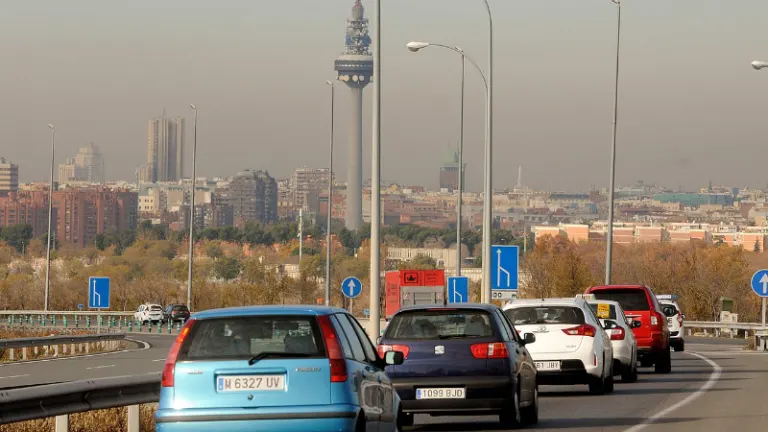
Bringing the car industry into the 21st century, the ecological transition law and the maintenance of the state road network are some of them. How has the sector reacted?
After many ups and downs (call them elections or deadlock between the various political forces), Spain has begun its 14th Legislature. And it now has a new executive. A Government with 22 ministries, notable to begin with for having four deputy prime ministers, something unprecedented in our country. One of them, held by Teresa Ribera, Minister for the Ecological Transition and the Demographic Challenge, has drawn a positive reaction from the car sector.
Representatives of dealerships and sellers – Faconauto and Ganvam, respectively – have welcomed the fact that the challenge of sustainability occupies such a prominent place on the political agenda, given how much it affects the sector. Coordination between the different ministries, they point out, will be key.
The fact that Reyes Maroto remains at the head of Industry, Trade and Tourism in Pedro Sánchez’s executive has also been an appointment well received by these organisations, owing to the “good work done in the previous legislature, in which the contributions and the importance of the entire automotive value chain were taken into account”, as they told Europa Press. Maroto defended the coexistence of combustion engines alongside new technologies (unlike Ribera, who was firmly committed to the electric car).
The association representing car and lorry manufacturers (Anfac) welcomes Maroto’s continuity in the face of the environmental commitments affecting the car industry, which accounts for 10% of our GDP. The roadmap devised by this ministry – the so-called Strategic Plan for Comprehensive Support for the Automotive Sector – requires a strategic vision in which public-private collaboration will be fundamental, the organisation says.
An agenda that affects mobility
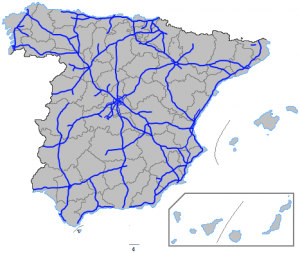 The ecological transition law is one of the objectives of the incoming Government, which has Teresa Ribera in charge of this area. Our country must meet its targets for 2050, which involve decoupling the economy from fossil fuels. The maintenance of the dual carriageway network, made up of more than 18,300 kilometres, is another of the important issues on the transport and mobility agenda, a portfolio that falls to José Luis Ábalos (Minister for Transport, Mobility and Urban Agenda).
Last but not least, we cannot forget the question of lowering the average age of tractors, an issue that directly concerns another ministry, in this case Agriculture, Fisheries and Food (headed by Luis Planas).