
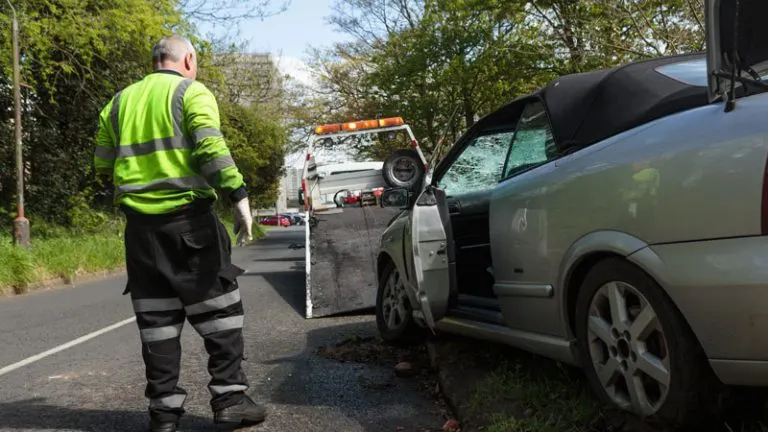
The roadside assistance sector faces serious economic and operational challenges that threaten its viability.
Despite recent price revisions by the main insurers, average rates for the roadside assistance service are still 35-40% lower than the prices needed to prevent many companies in the sector from going bankrupt.
“All this in a context in which the growth of motor insurance is bringing ever higher turnover for insurance companies, while the average income of assistance companies has fallen by around 20-25%, despite having more work due to an increase in call-outs of between 3% and 8.5%”, says Emilio Domínguez del Valle, a lawyer specialising in mobility and transport and Legal Adviser to REAC.
The roadside assistance service is essential to guarantee the safety of drivers and provide them with assistance in emergencies. However, this sector faces multiple challenges that threaten its operations and economic viability. Below, we set out the main problems affecting the sector that need to be addressed to ensure its sustainability and improve working conditions for its operators.
1. Rising costs

One of the main problems is the rise in operating costs, including fuel, wages and social security contributions. These tax and operating increases put the economic viability of roadside assistance companies at risk. In addition, intense and often unfair competition has led to a reduction in the prices companies can charge for their services.
2. The price of fuel
Another significant problem is the systematic failure by insurers, assistance platforms and aeroclubs to comply with the legislation on indexing fuel price increases in rates. This creates a situation in which many companies in the sector struggle day after day to stay afloat, unable to invest in their future, adapt to growing competition and digitalisation, or improve their services.
3. Lagging behind Europe
“Roadside assistance companies also face the disadvantage of considerably lower rates than their European counterparts, being between 40% and 50% lower, while motor assistance insurance premiums are on average no more than 15% higher in the EU than in Spain. This margin should allow for an adjustment in rates, a sector objective for 2024, although intermediaries in the sector are opposed to the idea”, explains our legal adviser.
 4. Limited digitalisation
The limited digitalisation of Spanish assistance platforms adds another level of inefficiency, shifting economic burdens onto the sector and adversely affecting costs throughout the roadside assistance chain. These inefficiencies, together with long telephone waits, undermine the viability of assistance companies, the final link in the chain.
5. Occupational hazards
In addition to economic and operational problems, roadside assistance companies are concerned about road safety and accidents involving their operators. Effective implementation of the Roadside Assistance Protocol of the Dirección General de Tráfico and the use of personal protective equipment (PPE) are essential measures to reduce risks and protect workers' lives.
“2024 is a key year in which there is still a great deal of work to be done for the roadside assistance sector to leave these endemic problems behind, gradually get out of the red and restore companies' profitability and viability, as well as the safety conditions in services that we all want for the users of our roads, whose safety is our reason for being”, comments Emilio Domínguez.