
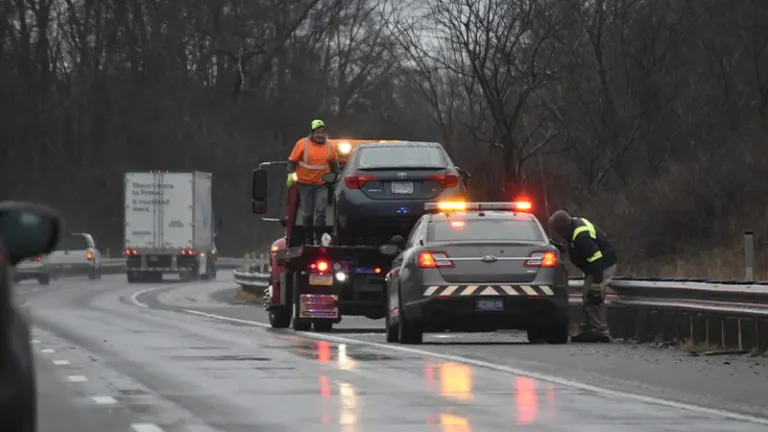
Roadside Assistance Operator Procedures:
In the world of roadside assistance, speed and effectiveness are essential. But even more important is the safety of the workers who carry out this demanding job. At REAC (Red de Empresas de Auxilio en Carretera), we understand that, to guarantee an optimal service, it is essential for our operators to have clear procedures that allow them to act safely and efficiently.
Over the years, we have built up valuable experience, which we are sharing today with the aim of helping our teams avoid unnecessary risks and ensure that every operation runs smoothly.
The importance of procedures in roadside assistance
Procedures for assistance operators are designed not only to make work more efficient, but also to guarantee the health and safety of workers. In emergencies, the environment can become unpredictable, and operators must be prepared to face any challenge.
Drawing on our extensive experience, we have developed a series of key steps that operators can follow in every intervention. These guidelines make it possible to anticipate risk situations, which is essential to prevent accidents in potentially dangerous conditions.
1. Initial assessment of the surroundings
Before starting any manoeuvre, the first step is to carry out a full assessment of the scene. This includes identifying possible hazards, such as surrounding traffic, adverse weather conditions or unstable surfaces. This assessment makes it possible to plan the work more safely and take the necessary protective measures, such as placing suitable signage to warn drivers.
2. Correct use of signage
One of the most important points is the correct use of safety signage. It is vital that drivers approaching the scene of the incident receive clear, visible warnings, reducing the risk of further accidents. Placing cones, warning triangles and emergency lights correctly not only protects operators, but also ensures the safety of the vehicles involved and other road users.
3. Personal protective equipment (PPE)
The proper use of Personal Protective Equipment is another key aspect of guaranteeing safety in assistance operations. Helmets, reflective vests, gloves and suitable footwear are essential to minimise risks. PPE is not optional; its use is mandatory and can make the difference between a safe operation and a workplace accident.
4. Coordination with other emergency teams
Assistance operators often work alongside other emergency teams, such as firefighters, the police or even other companies with auxiliary resources It is essential to maintain smooth communication and effective coordination with these teams to ensure that everyone involved is informed and ready to act correctly.
5. Ongoing training
The world of roadside assistance is constantly evolving, and working conditions can change from one day to the next. That is why ongoing training is essential. Workers must keep up to date with the latest safety protocols, technology and tools that allow them to do their job more safely and effectively.
The work of a roadside assistance operator is essential to maintaining safety and the flow of traffic on our roads. At REAC, we are committed to offering the best practices to protect our workers and road users. The procedures we share are not only based on accumulated experience, but also aim to serve as a guide for future generations of operators, fostering a culture of safety, prevention and excellence.
Working properly and safely is not an option, it is a shared responsibility. Committing to prevention means looking after both the worker and those we come to assist.