
The Importance of Communication in OHS: Reflections on Ruling 368/2024 of the TSJ of Madrid
The recent ruling of the High Court of Justice (TSJ) of Madrid 368/2024, of 19 April 2024, has highlighted the critical importance of proper information and communication between the company and its workers regarding circumstances that may affect health and safety at work. This case has underlined the importance of maintaining clear and effective communication channels to prevent situations that compromise employees' physical integrity.
Background to the Case
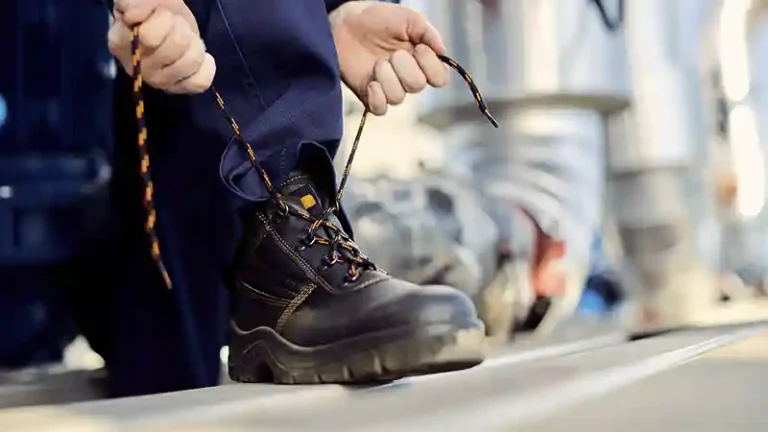
The worker involved in this ruling was employed as a cleaner and had been declared fit for work following an initial medical examination. The company subsequently provided her with personal protective equipment, in this case standard safety shoes.
However, following an intervention by the Labour and Social Security Inspectorate, the company was required to carry out a new medical examination to determine whether the worker was fit to wear the regulation footwear or needed adapted footwear. The new examination, carried out by the prevention service, concluded that the worker should wear adapted safety footwear with a high instep and wide fit.
Court Decisions
At first instance, the Social Court upheld the worker's claim, finding that there had been a violation of her right to physical integrity. It therefore ordered the company to pay €6,251 as compensation for damages.
However, following the appeal lodged by the company, the High Court of Justice overturned the initial ruling. The TSJ argued that, when the safety footwear was handed over, the company was not aware that the worker had any special condition, as she had not reported it either to the company or to the prevention service. Although the prevention delegates were aware of the worker's special sensitivity, there is no record of this information having been communicated to the company.
Lessons Learned
This ruling highlights the fundamental importance of establishing and promoting clear and effective communication channels between all the parties involved: the company, the prevention service, the prevention delegates and the workers.
It is essential that companies not only provide adequate training but also make their employees aware of the importance of reporting any personal circumstance that may affect their occupational health and safety. Likewise, workers must feel safe and confident that any communication about their state of health will be taken seriously and will lead to significant improvements in their wellbeing at work.
Keys to Effective Communication in OHS:
- Training and Awareness: The company must hold regular training sessions to inform employees about, and raise their awareness of, the importance of reporting any special health conditions.
- Communication Channels: Establish and maintain clear and accessible communication channels between employees, prevention delegates and company management.
- Trust and Security: Foster an atmosphere of trust in which workers feel safe to communicate their needs without fear of negative repercussions.
- Continuous Review: Carry out regular reviews of health and safety protocols to make sure they are adapted to employees' individual needs.
- Comprehensive Collaboration: Encourage close collaboration between all levels of the organisation to ensure that any relevant information is shared effectively and in a timely manner.
In conclusion, only through collaboration and effective communication between the company and its workers can a safe working environment be guaranteed, thus preventing situations that compromise employees' health and wellbeing. Ruling 368/2024 of the TSJ of Madrid reminds us that communication is not just a tool, but a fundamental necessity in occupational risk prevention.