
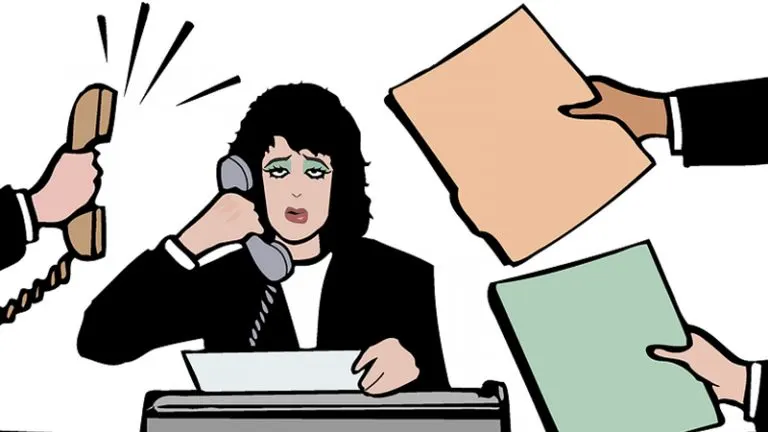
According to international manuals, post-holiday syndrome is not an illness. That does not mean the discomfort does not exist and that, with the return to work imminent, we should not pay attention to it if we feel overwhelmed.
Although at this point in the year it might feel like Groundhog Day, the truth is that, at the end of the holidays, post-holiday syndrome reappears in the media. And in a year as unusual as the one we are living through, driving with anxiety is something that should concern us. Especially in our sector, since we are talking about people who practically live on the road.
Roadside assistance operators whose daily work consists of transporting vehicles, if not helping broken-down cars, attending accidents of varying severity, or carrying out spectacular recoveries where the size of the vehicle, or its circumstances, involve particular danger. Some days are especially hard—the levels of demand are high—so you have to be at 100 %.
Is it an occupational illness?

It must be pointed out that, as such, post-holiday syndrome is not an illness. At least not in international classifications of diseases such as ICD-10 (we consulted the 2018 edition). Dr Antonio Cano Vindel, president of the Spanish Society for the Study of Anxiety and Stress (SEAS), calls it, for example, post-holiday stress.
But as soon as this transitory state affects our everyday life, we must take it into account and act accordingly. It is a discomfort that must be faced calmly.
Low spirits, weariness, fatigue, stress, anxiety… are some of the symptoms that frequently appear. We may feel unwell physically and psychologically, which translates into problems concentrating or difficulty sleeping. This will affect driving.
I want to get back to driving (without stress)
Driving is an activity that requires a great deal of attention. Roadside assistance involves a lot of driving (as if we needed to tell you!). Fields such as psychology recommend taking precautions before getting back to the job:
- If we have travelled, it is best to leave a little space between the end of the trip and the return to work. Leave two or three days in between to recover from the journey, doing relaxing activities at home.
- A gradual return to work is another common piece of advice, although obviously this is only possible if the person is self-employed. If we are employees, trying to keep regular hours before returning to our usual working day can do us good.
- Sleep should always be looked after, but even more so if the return to work is particularly upsetting us at a given moment.
- Cano Vindel addresses what could be conflicts from before the holiday period, pointing out that it is good to correct the negative behaviour of the people around us, giving them the information in good time and expressing our disapproval, but without rows or bad feeling.
- Focus should be placed on the positive aspects of the job... on those that make us feel good when doing it.
- Any kind of medication should be avoided as far as possible; psychotropic drugs can be useful for sleeping or calming anxiety, but they could create dependence; getting back into the routine would not be resolved.