
In the world of work, safety is an unavoidable priority for the safety of both operators and drivers.
Safeguarding workers' wellbeing is essential to prevent accidents and foster a safe working environment.
In this article, we take an in-depth look at the regulations on high-visibility clothing, a crucial component in protecting workers in situations where visibility is limited, such as roadside assistance.
What is high-visibility clothing?
High-visibility clothing is workwear designed to make people more visible in working environments or situations where standing out is essential to avoid accidents. This clothing is specially designed to be detected in low-light conditions or in areas of fast or heavy traffic.
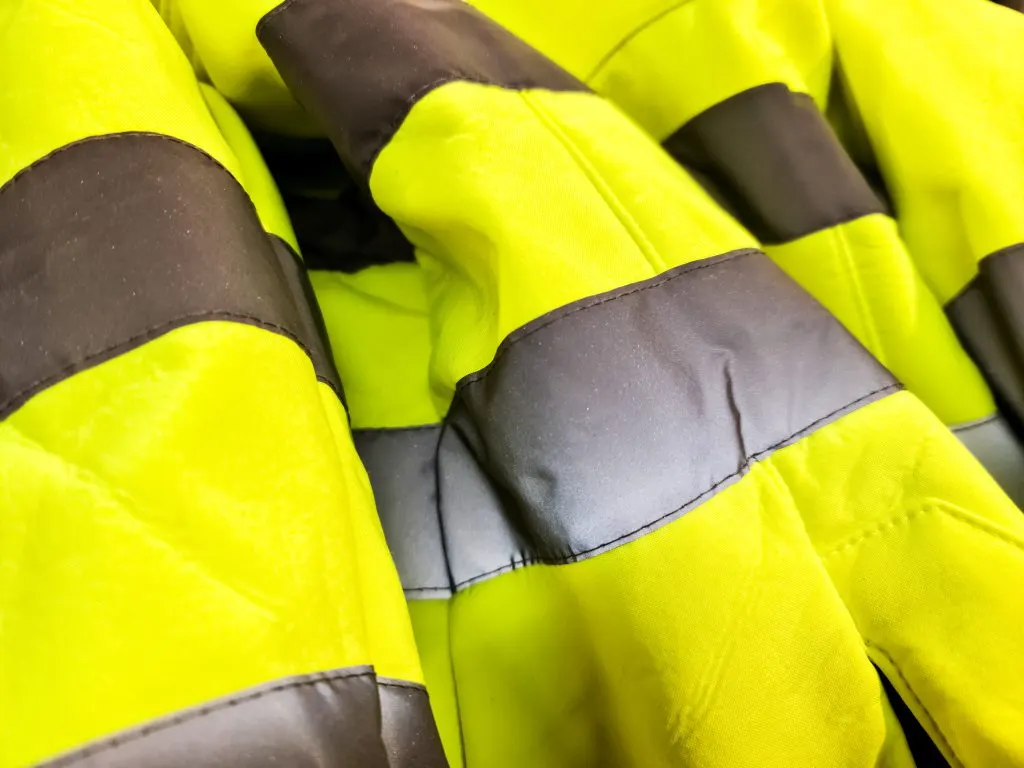
High-visibility clothing is usually made in bright fluorescent colours such as yellow, orange or lime green, which are highly visible during the day and stand out even in poor light. It also usually features reflective bands that reflect light in the dark when illuminated by light sources such as vehicle headlights or work lights.
Types of high-visibility clothing
High-visibility clothing covers a variety of garments designed to reduce the risk of accidents by making workers more visible.
The most common types include:
- Vests: Sleeveless garments with reflective bands, widely used in construction, road safety and other environments where additional visibility is required.
- Trousers and bib overalls: Made with high-visibility fabrics and reflective bands, they provide full visibility when combined with other high-visibility garments.
- Jackets and coats: Made with high-visibility fabrics and reflective bands on key areas of the body, they are suitable for adverse weather conditions.
- T-shirts and polo shirts: Made with high-visibility fabrics and reflective bands, they are popular in environments where a smarter appearance or protection against UV rays is needed.
European Standard EN ISO 20471
 The European standard EN ISO 20471 is an internationally recognised standard that sets out the requirements for high-visibility clothing used in working environments. This standard applies to garments intended to make the wearer more visible and reduce the risk of accidents in low-light situations or in areas of heavy traffic.
EN ISO 20471 classifies high-visibility clothing into three classes, each with specific requirements based on the level of risk and the visibility required in the workplace.
- Class 1: the minimum level of protection, required for people working in warehouses or private car parks, for example, where the garment can be seen by traffic travelling at less than 40 kilometres per hour.
- Class 2: an intermediate level of protection, required for people working on roads and in other areas where traffic does not travel at more than 80 km/h.
- Class 3: the highest level of protection, required for people working on motorways and roads with speeds above 80 km/h, as well as at or near airports.
The use of high-visibility clothing is mandatory in the roadside assistance sector as an element of protection and safety:
- A roadside assistance operator's visibility is improved by a high contrast between their clothing and the background of their surroundings.
- High-visibility warning clothing is intended to visually signal the wearer's presence so that they can be detected in any type of light.
- The larger the area covered by protective equipment, the greater the protection for the worker.
Complying with high-visibility clothing regulations is not only a legal obligation, but also an investment in the safety and wellbeing of operators. As well as preventing fines and penalties, regulatory compliance helps to create a positive working environment and protect the company's reputation.