
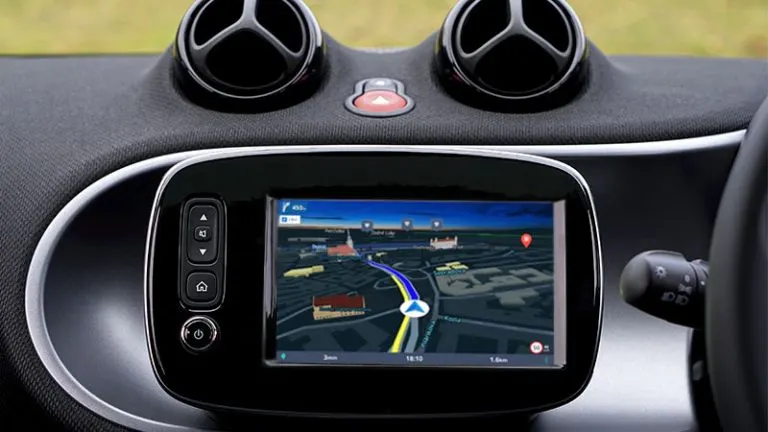
In its battle to achieve the goal of 0 deaths, 0 injuries and 0 emissions, the Dirección General de Tráfico has developed a platform that keeps road users connected in order to provide them with real-time traffic information.
This is nothing new: the DGT has been working for several years on launching the connected vehicle platform 3.0. and the aim of this telematics project is no different from its ultimate mission, which is none other than to reduce the number of accidents and deaths on our roads. A further aim is added to this: minimising polluting emissions.
And we say it is not a new project because, indeed, it is not. In fact, the DGT has been talking to us about it since 2015. What makes it news, however, is that the contract for the platform has been awarded this year. Last April, the award of the project to a joint venture (UTE) made up of KPMG, Pons Seguridad Vial and Inspide was announced.
The contract is expected to last four years and its implementation will have an estimated cost of 3.4 million euros, considerably less than the 4.5 million initially estimated.
A smart mobility platform

But what exactly does this tool involve? Let's see: the DGT has been working for years, on its own and in collaboration with other authorities, on improving infrastructure and reducing accident black spots, and yet accidents still occur which it is believed could be avoided if the right information were available. The starting premise, then, is that if road users had real-time information about the hazards they might encounter along their route, they could make decisions suited to the situation.
This smart mobility platform will, of course, work through our smartphones or the digital devices we have on board our vehicle, and the Dirección General de Tráfico expects its use to reduce the risk of accidents and also prevent numerous traffic jams.
Very useful on secondary roads
Some of the information that road users will be able to exchange through this platform includes diversions, reversible lanes, the application of measures under pollution protocols or traffic restrictions. And while it is true that this information is usually displayed on signs on the busiest roads, on secondary roads it is extremely valuable information that will contribute greatly to improving road safety.
Other alerts that can be received through this tool include the proximity of cyclists, forecast closures or congestion and the risk of fog. In addition, according to the DGT, all this data will be exchanged anonymously, so our digital safety, and not just our road safety, is guaranteed.