
The issue must be treated “seriously”, said Xavier Martí. The increase in this type of assistance must be accompanied by specialised training, given the risks these services present.
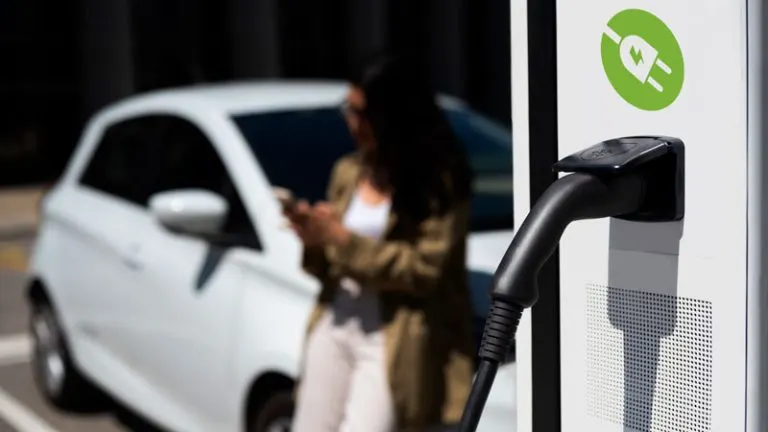
Assistance to electric vehicles is growing. This is logical, considering that sales of both electric vehicles and plug-in hybrids in 2023 were up 48.47% on the previous year, according to figures from the Spanish Association of Car and Truck Manufacturers (Anfac). And although they accounted for a market share of 5.56%, the increase in sales has been noticeable on the roads themselves. This was stated by the Roadside Assistance Alliance which, last week, took stock of the Christmas season, highlighting assistance to these new generations of vehicles.
Thus, this sector organisation, which brings together most of the country's tow-truck companies, reported after the Christmas holidays the “serious” difficulties in carrying out its work “efficiently” and “safely”. Roadside assistance for these vehicles, until now anecdotal, rose by 40% over 2023, according to the report by the AsiturFocus Claims Observatory, reported by Seguros News.
Punctures and blowouts have so far been the main reasons why electric vehicle owners call a tow truck. However, as more of these cars take to our roads, the need arises to give tow-truck operators themselves specialised training, so that they know precisely how to handle them efficiently and safely.
The risks of handling electric vehicles
 In this regard, the Alliance has stressed the service that must be provided to these vehicles, how they differ from non-electric cars, and the risks involved in the service. Both the tools and the PPE (Personal Protective Equipment) for roadside assistance operators are different, because the dangers they face are also different (from electrocution to gas poisoning, the locking of components…).
Indeed, the risk of an electric vehicle catching fire is another of the foreseeable problems when transferring it from assistance companies' bases to workshops. Battery discharges can also result in further breakdowns. Another complication has to do with the impossibility of handling certain components for disconnection.
Xavier Martí, spokesperson for the Alliance, has already flagged this matter as another issue to be dealt with in talks with insurers, motoring clubs and assistance platforms. Because it is clear that this specific attention, together with the risks of the activity and the training required of professionals, must be defined, and therefore priced, by those who contract roadside assistance services.