
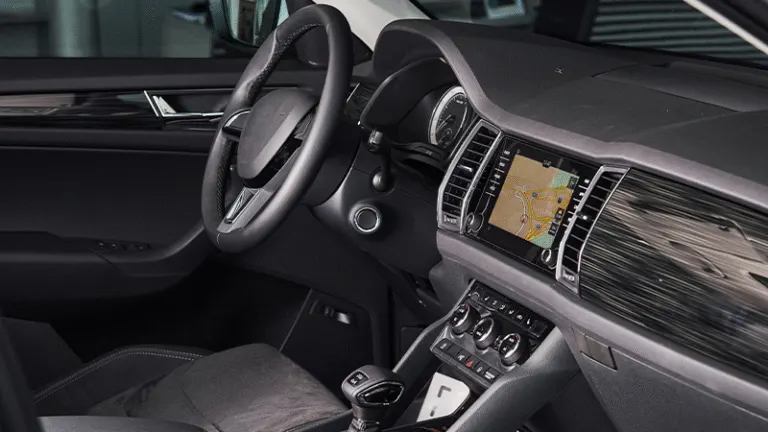
The automotive industry is constantly evolving, and with it, the vehicles on our roads are becoming ever more sophisticated. From electric cars to advanced driver assistance systems (ADAS) and, in the near future, autonomous vehicles, technology is transforming the driving experience. But how do these advances affect the safety of roadside assistance professionals?
At REAC, the Network of Roadside Assistance Companies, we understand that this technological transformation not only redefines the mechanics of vehicles, but also introduces new challenges and safety considerations for our operators.
1. Electric and Hybrid Vehicles: New Safety Protocols
The proliferation of electric vehicles (EVs) and hybrids has brought with it a series of safety considerations that did not exist before:
- Electrical risk: The presence of high-voltage batteries means there is a risk of electric shock if they are not handled correctly. Our operators must be trained in how to safely disconnect high-voltage systems and how to act in the event of a battery fire.
- Battery fires: Although less frequent, EV battery fires can be more intense and harder to extinguish than those in combustion vehicles, requiring specific protocols and suitable tools.
- Towing and transport: EV characteristics, such as energy regeneration or electric all-wheel drive, require specific towing methods to avoid damage or dangerous situations.
2. ADAS (Advanced Driver Assistance Systems): Allies or Challenges?
ADAS systems, such as automatic emergency braking, lane-keeping assist or adaptive cruise control, are designed to improve road safety. However, in assistance situations, they can present unexpected challenges:
- Unexpected behaviour: An ADAS system that tries to "correct" the vehicle's path while an operator is working nearby can create a hazardous situation. It is crucial to know how to deactivate or override them safely.
- Complex diagnosis: Faults in these systems can be complex to diagnose and repair on the spot, which requires specialised training for our technicians.
- "Overconfidence": Drivers can sometimes rely too heavily on these systems, which can lead to higher-risk situations in the event of a breakdown, requiring more cautious action from operators.
3. Autonomous Vehicles: The Future and its Implications
Although they are not yet widespread, autonomous vehicles raise interesting questions for roadside assistance:
- Identification and access: How will a broken-down autonomous vehicle be identified? How will our professionals safely access a vehicle that has no human driver at the wheel?
- Interaction with the system: Communicating with the vehicle's system will be crucial to understand the fault and take control if necessary, requiring specific interfaces and knowledge.
- Legal and liability considerations: The legal implications of an incident involving an autonomous vehicle, even in the context of an assistance job, are an evolving area that the sector will need to address.
Preparing Our Professionals for Tomorrow
At REAC, we are aware that the safety of our operators and the efficiency of our interventions depend on constant updating. That is why we focus on:
- Continuous training: We develop and offer specific training programmes, such as the Safety and Environment course on transferring flammable liquids, and we adapt our Level 1, 2 and 3 Operator courses to include the particular features of modern vehicles.
- Knowledge sharing: We encourage the exchange of information and best practices among our member companies so that we can adapt quickly to new technologies.
- Investment in equipment: We promote the acquisition of suitable tools and equipment to handle new-generation vehicles safely.
Technology at the wheel is an ally of road safety, but it is also a factor that demands greater preparation and knowledge from those of us who, like REAC's professionals, are always ready to answer your call. Adapting to these changes means ensuring that, whatever the vehicle, roadside assistance remains synonymous with safety, professionalism and efficiency.