
The role of the safety adviser is key for companies that handle and transport dangerous goods. But what exactly do these professionals do? We explain it here.

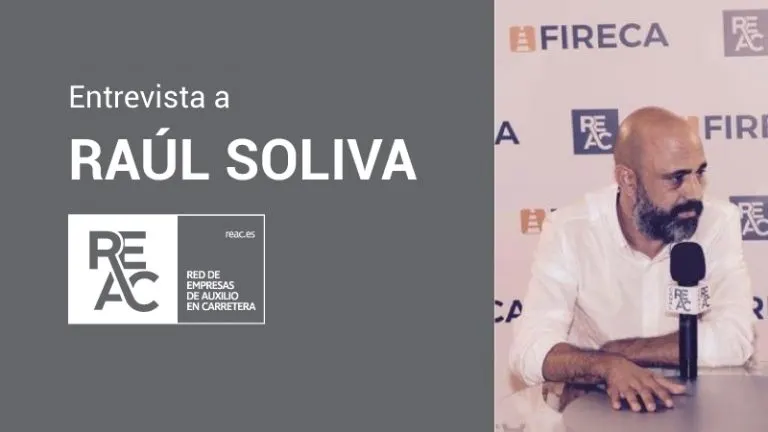
A technical engineer by training, specialising in industrial chemistry, Raúl Soliva heads MP Mallorca, a dangerous goods and engineering consultancy. Born in Barcelona and based in the Balearic Islands, he also works there as REAC’s safety adviser. He recently gave an interview in Palma to Marta Sánchez (a conversation published on the professional blog ProntoPro, from which we reproduce some extracts here). His experience, linked to the chemical sector, waste management and oil installations, makes him highly qualified to address issues related to occupational risk prevention, as well as quality and environmental systems.
Simplifying the requirements and obligations of each activity is one of his goals. This means implementing in each company the procedures required by law that also add value to each organisation. For Soliva, the exchange of knowledge and experience is fundamental: establishing agreements with groups of professionals from key emergency sectors such as REAC.
As a safety adviser in the Balearic Islands since 2013, he has a track record that enables him to recognise good professionals: “they must know the risks attributable to substances and installations, as well as those arising from the operations carried out with dangerous goods in the workplace”. In order to develop processes and to inform and train the company, a safety adviser must first know the needs and specific features of each company.
It is crucial work because “mistakes, combined with dangerous goods, can lead to catastrophic accidents”, he warns. Paints, pressurised gases, chemical products… are examples, among others, of the kind of harmful products whose transport and handling involve danger.
How does a safety adviser work?

Notebook (or tablet) in hand, the safety adviser notes down all the client’s needs. They must wear the appropriate protective equipment, depending on the company (safety boots, gloves, vest, safety glasses, masks, helmet, hearing protection…), which informs them before the visit. Communication between the company and the safety adviser is key.
Asked what the level of prevention culture is in SMEs and micro-businesses, this professional criticises the low visibility of safety advisers (“a role that, even today, many companies overlook”, he laments). According to Soliva, it should be explained that what is regulated are transport operations, which involve: transport, loading and unloading.
Greater involvement is needed on the part of companies, so that they know what they are obliged to do through the whole network of professionals: suppliers, hauliers, prevention services, consultants or advisers... But not only that. Greater control by the public authorities would go a long way towards raising awareness among employers and employees “about the products they handle and their risks”.
Challenges in working as a safety adviser
The 2014 Royal Decree regulated fundamental issues such as the number of companies a safety adviser can cover, applying safety values (which depend on the number of employees involved, the mandatory periodic verification visits, and so on). This is important for Soliva, who talks about going beyond “pure bureaucratic formality”, given the consequences this activity has for the company’s safety. In this regard, "offering this type of service at prices below its value is completely unacceptable". Good practice needs to be encouraged, in the field of safety advisers too.
Full interview on ProntoPro.